Understanding Sussex County's Pollen Season
Andover sits in the heart of Sussex County, a region characterized by dense tree cover, open fields, and a climate that creates ideal conditions for prolonged and intense pollen seasons. The pollen calendar in this part of New Jersey typically begins in late February or early March with tree pollens — oak, birch, maple, and cedar are among the most prolific producers in the area. Tree pollen season runs through May and into early June. Grass pollen then takes over from late May through July. Weed pollens, including the notorious ragweed, dominate from August through the first hard frost, which in Sussex County often doesn't arrive until late October.
The practical implication for Andover homeowners is that allergy season here is not a brief spring inconvenience — it's a six-to-eight month ordeal. During that period, outdoor pollen counts regularly reach moderate to high levels, and on dry, windy days, counts can spike to very high or extreme. Every time a door or window opens, pollen enters your home. Every time your HVAC system draws air in from outside — through fresh air intakes or through gaps in the building envelope — it can bring pollen with it.
The good news is that indoor air quality can be significantly better than outdoor air quality when your HVAC system is properly configured and maintained. Studies consistently show that indoor pollen concentrations can be reduced to a fraction of outdoor levels in homes with well-maintained, properly filtered HVAC systems. For Andover allergy sufferers, this means your home can genuinely be a refuge during peak pollen season — but only if your heating and cooling system is doing its job.
Choosing the Right Air Filter for Allergy Relief in Andover
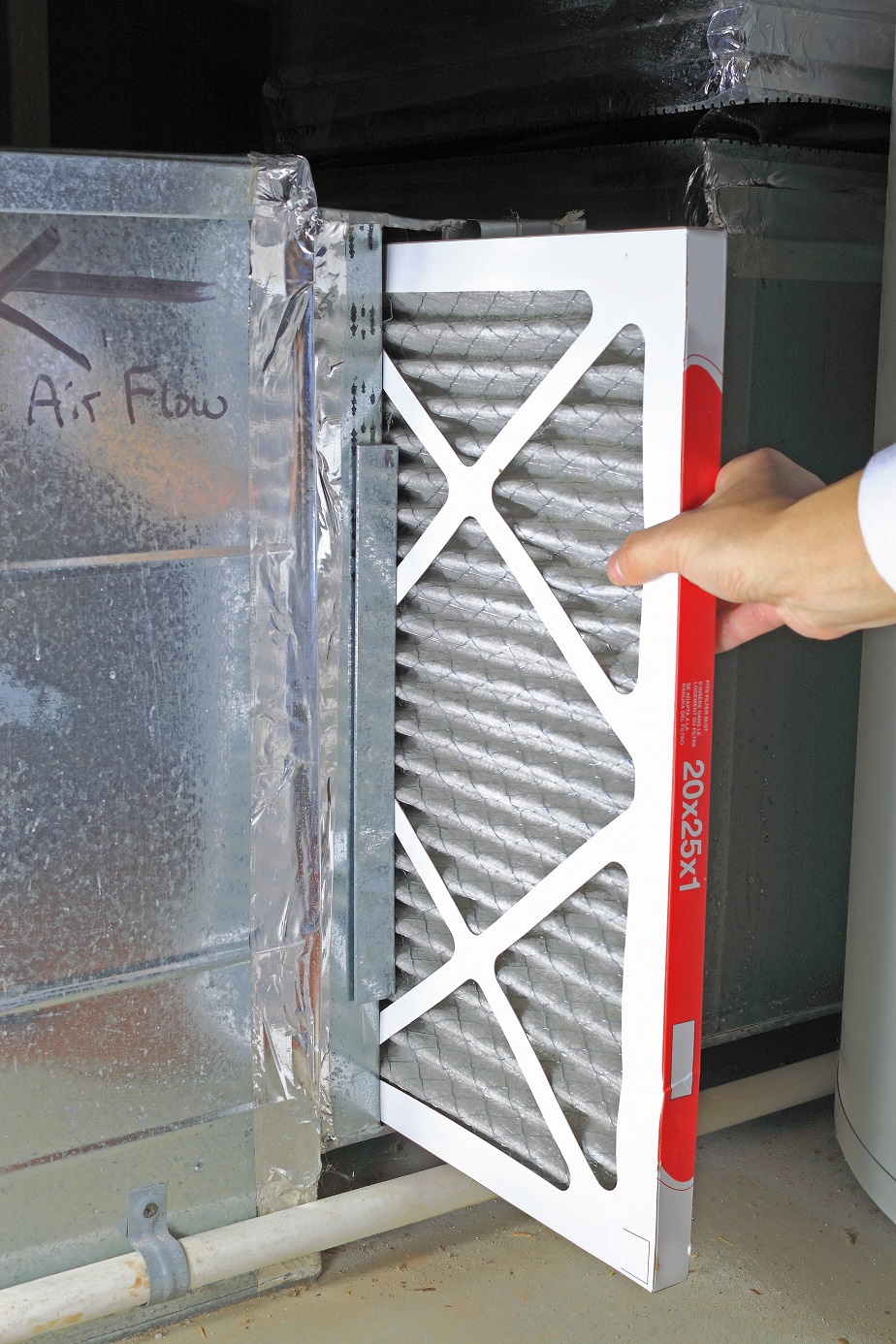
The air filter is the frontline defense in your HVAC system's fight against pollen and other allergens. Not all filters are created equal, and the difference between a standard fiberglass filter and a high-efficiency pleated filter is enormous when it comes to allergy relief. Filters are rated using the MERV scale (Minimum Efficiency Reporting Value), which measures how effectively a filter captures particles of different sizes.
Standard fiberglass filters, which are the cheapest option available at any hardware store, typically carry a MERV rating of 1 to 4. These filters are designed primarily to protect the HVAC equipment from large debris — they capture very little pollen, and essentially nothing in the way of mold spores, pet dander, or fine dust. For Andover allergy sufferers, these filters provide almost no benefit for indoor air quality.
| MERV Rating |
Filter Type |
What It Captures |
Best For |
| 1–4 | Basic fiberglass | Large dust, lint | Equipment protection only |
| 5–8 | Standard pleated | Dust mites, mold spores (large) | General use, no allergies |
| 9–12 | High-efficiency pleated | Most pollen, mold spores, pet dander | Mild to moderate allergies |
| 13–16 | Premium pleated / HEPA-style | Fine particles, bacteria, smoke | Severe allergies, asthma |
For most Andover homeowners with seasonal allergies, a MERV 11 to MERV 13 filter provides the best balance of filtration effectiveness and system airflow. Filters above MERV 13 can restrict airflow enough to strain your HVAC equipment, potentially causing overheating, reduced efficiency, and premature component failure. If you have severe allergies or asthma and want maximum filtration, consult with an HVAC professional like ASE Heating & Cooling LLC to confirm your system can handle a higher-rated filter without adverse effects.
Filter replacement frequency matters as much as filter quality. During peak pollen season in Sussex County, a high-efficiency filter in an active household can become saturated in as little as three to four weeks. A clogged filter doesn't just stop filtering — it restricts airflow, which reduces system efficiency and can cause the HVAC equipment to overheat. Check your filter every three to four weeks from March through June, and replace it whenever it appears gray or visibly loaded with debris.
Why HVAC Maintenance Directly Impacts Indoor Air Quality
The connection between HVAC maintenance and indoor air quality is direct and significant. A well-maintained system filters air more effectively, distributes it more evenly, and doesn't introduce additional contaminants into your living spaces. A neglected system can actively make indoor air quality worse — and for allergy sufferers in Andover, that's a serious problem.
Dirty evaporator coils are a prime example. The evaporator coil is the indoor component of your air conditioning system, and it operates at temperatures that cause moisture to condense on its surface. That moisture, combined with dust and organic debris that accumulates on the coil, creates ideal conditions for mold and mildew growth. When your AC runs, air passes directly over the evaporator coil — if that coil has mold on it, you're distributing mold spores throughout your home every time the system cycles. For allergy sufferers, this is a significant problem that a professional tune-up can identify and correct.
Ductwork is another critical factor. The duct system in your Andover home is essentially a network of pathways that air travels through on its way to every room. Over years of use, dust, debris, and in some cases mold can accumulate in the ducts. Every time your HVAC system runs, it disturbs and redistributes whatever is in those ducts. Professional duct cleaning, recommended every three to five years for most homes and more frequently for homes with pets or allergy sufferers, removes accumulated debris and significantly improves the cleanliness of the air your system delivers.
The condensate drain line also warrants attention during allergy season. This drain removes the moisture that condenses on the evaporator coil, and if it becomes clogged — which is common — water backs up into the air handler. Standing water in the air handler is a mold breeding ground. A professional tune-up includes clearing the condensate drain, which is a simple preventive step that eliminates a significant potential source of indoor allergens.
Advanced Indoor Air Quality Solutions for Severe Allergy Sufferers
For Andover homeowners with severe allergies or asthma, standard filtration and maintenance may not be sufficient. Several additional HVAC-integrated solutions can provide a higher level of indoor air quality protection during Sussex County's extended pollen season.
Whole-home air purifiers, installed directly in the HVAC system's air handler, use technologies including UV-C light, ionization, or media filtration to capture and neutralize particles that standard filters miss. UV-C systems are particularly effective against mold and bacteria — they use ultraviolet light to destroy the DNA of microorganisms as air passes through the system, preventing them from reproducing and spreading. For households where mold sensitivity is a concern, a UV-C air purifier installed in the air handler is one of the most effective interventions available.
Whole-home dehumidifiers are another valuable tool for Andover allergy sufferers. Sussex County's summer humidity levels regularly exceed 70 to 80 percent, and high indoor humidity creates favorable conditions for dust mites and mold — two of the most common indoor allergens. A whole-home dehumidifier integrated with your HVAC system maintains indoor relative humidity at the 45 to 50 percent level that is inhospitable to dust mites and mold while remaining comfortable for occupants.
Energy Recovery Ventilators (ERVs) address a specific challenge for allergy sufferers: the need for fresh air without the pollen that comes with it. An ERV brings filtered fresh air into the home while exhausting stale indoor air, exchanging heat and moisture between the two air streams to maintain efficiency. When combined with a high-efficiency filter, an ERV allows Andover homeowners to maintain good indoor air quality and fresh air circulation without opening windows during peak pollen season. Contact ASE Heating & Cooling at (973) 479-5148 to discuss which indoor air quality solutions are right for your home and allergy profile.
Frequently Asked Questions About HVAC and Allergies in Andover, NJ
What MERV rating air filter should I use for allergies in Andover, NJ?
For allergy sufferers in Andover, a MERV 11 to MERV 13 filter provides the best balance of filtration and airflow. MERV 13 filters capture particles as small as 0.3 microns, including most pollen, mold spores, and pet dander. Avoid MERV ratings above 13 in standard residential systems, as they can restrict airflow and strain the equipment.
How often should I change my air filter during pollen season in Sussex County?
During peak pollen season in Sussex County (March through June), allergy sufferers should check their air filter every 3 to 4 weeks and replace it when it appears gray or clogged. Standard recommendations of every 90 days are not sufficient during high-pollen periods.
Can my HVAC system make allergies worse?
Yes. A poorly maintained HVAC system with dirty ductwork, a clogged or low-quality filter, or mold growth in the air handler can actively spread allergens throughout your home. Regular maintenance, duct cleaning when needed, and proper filter selection are essential for allergy sufferers.
Want to improve indoor air quality in your Andover home before pollen season peaks? Call ASE Heating & Cooling LLC — we've been helping Sussex County families breathe easier since 1950.
(973) 479-5148 — Call Now